
Reviews
Gem Block Puzzle Challenge sticks to a familiar block-stacking formula: drag gem-themed blocks onto a grid, rotate them to fit, and clear rows or patterns before the board fills. Its strengths are immediate browser access, simple controls, and a difficulty curve that rises as blocks arrive faster. The gem visuals keep the board readable. It suits players who want short, low-pressure puzzle sessions with enough planning to stay engaged.
About this game
Grid Clearing Basics
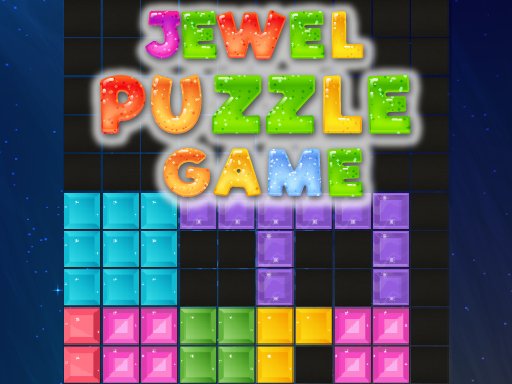
Gem Block Puzzle Challenge drops blocks onto a grid, and the player's job is to arrange them so complete rows or specific patterns form and disappear. Clearing space is the main reward: it earns points and keeps the board from filling to the top. If stacked blocks reach the top, the run ends. The gem-themed visuals make the shapes easy to read at a glance, which matters when the board gets crowded.
Controls and Block Placement
Using a mouse or touchscreen, players drag each block into position and can rotate it to fit tighter gaps. The controls are designed to be responsive, so beginners can place blocks without fighting the interface. Because rotation changes which cells a block occupies, it becomes a planning tool rather than a cosmetic option. Thinking one or two placements ahead often matters more than reacting to the current block.
Pacing and Difficulty Curve
Blocks appear one at a time, and the speed at which they arrive can increase as a session continues. That shift turns a calm placement task into a test of pattern recognition and reaction time. The game is easy to learn, but the rising pace and the risk of a full grid give it staying power. Short sessions work well, yet the simple loop also supports longer play without complex rules or setup.
Practical Play Approach
Keeping the grid as clear as possible early is a reliable habit. Completing rows or patterns before the board tightens leaves room for awkward shapes later. Rotating blocks helps them fit into narrow spaces, and staying calm during faster stretches makes it easier to prioritize clearing space over perfect placement. Regular practice builds familiarity with block shapes and improves anticipation of what will fit next.
Editorial Notes
Compatibility
This H5 game runs smoothly on:
• Desktop computers (Windows / Mac) • Mobile phones (iPhone / Android)
• Tablets (iPad / Android)
🌐 Best experienced with Chrome, Safari, or Edge
Faq
Is Gem Block Puzzle Challenge free to play?
Yes. The game is described as free to play with no downloads required. It runs directly in a web browser, so players can start immediately without installing anything. That makes it convenient for short breaks or casual sessions, and there is no setup beyond opening the page.
What devices can I use to play Gem Block Puzzle Challenge?
The game supports mouse and touchscreen input. That means it works on desktop browsers with a mouse and on touch-enabled devices where dragging is natural. The controls are described as simple and responsive, so the same drag-and-drop placement applies across those input methods.
How does the game end?
A run ends when blocks stack to the top of the grid. To avoid that, players complete full rows or specific patterns, which then disappear and free up space. Clearing space early is the main way to extend a session, especially as blocks appear faster over time.
Can I rotate blocks in Gem Block Puzzle Challenge?
Rotation is described as often possible. When available, it lets players fit blocks into tight spaces that would not accept the block in its default orientation. Since rotation changes which cells a block covers, using it thoughtfully can prevent small gaps from becoming wasted space.
Does Gem Block Puzzle Challenge get harder over time?
Yes. The game offers increasing difficulty as players progress, and the speed at which blocks appear may increase. That adds pressure to placement decisions. The core rules stay the same, so the challenge comes from faster pacing and the growing risk of the grid filling up.
Is Gem Block Puzzle Challenge suitable for beginners?
The game is designed to be easy to learn, with simple drag-and-drop controls and no complex rules. Beginners can start placing blocks right away. Depth comes from planning ahead, using rotation, and handling faster block arrival, so experienced players still have room to improve.








Comments
0 comments