
Reviews
Structural Engineer Challenge succeeds where many puzzle games falter: it makes learning feel like play. The gradual introduction of new materials and obstacles keeps each level fresh without overwhelming. Watching a train safely cross a bridge you designed is genuinely satisfying. The game respects your intelligence by offering multiple solutions and forgiving failure. It is a polished, educational experience that families can enjoy together.
About this game
Engineering Principles at Work
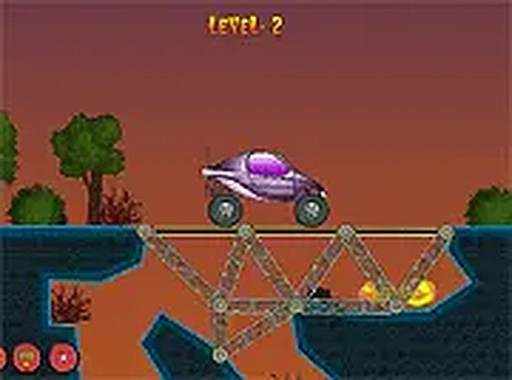
This game places you in charge of constructing pathways for trains to traverse uneven terrain. You select from various building materials, each with distinct strength and weight properties. The core challenge lies in understanding how forces distribute across your structure. A bridge that looks sturdy might collapse under the train's weight if supports are poorly placed. The game teaches basic engineering concepts through trial and error, rewarding players who think ahead.
Level Design and Progression
As you advance, gaps grow wider and obstacles become more complex. Early stages introduce simple spans with few materials, allowing you to grasp the fundamentals. Later levels require multi-span bridges with angled supports and strategic use of limited resources. The difficulty curve feels natural, gradually pushing you to consider tension, compression, and load balancing. Each completed stage brings a sense of genuine accomplishment.
Visual Style and Atmosphere
The game adopts a clean, cheerful aesthetic with bright colors and simple geometric shapes. Trains are depicted as cartoonish locomotives, and the environment includes trees, hills, and rivers that add charm without distraction. Animations are smooth: trains chug across your creation, and if the bridge fails, the collapse is shown in a non-graphic, almost playful manner. This keeps the tone light and suitable for all ages.
Learning Through Experimentation
There is no single correct solution for most levels. You can try different approaches, from arch bridges to suspension designs, and see what holds. Failed attempts provide clear feedback—weak points break first, showing exactly where your plan fell short. This encourages iterative thinking and resilience. The game subtly teaches that mistakes are part of the learning process, making it ideal for educational settings or family play.
Compatibility
💻 Desktop | 📱 Mobile | 📟 Tablet
– All supported · Best with Chrome or Safari
Faq
What platforms is Structural Engineer Challenge available on?
The game is typically available on web browsers and mobile devices. Some versions may also be found on app stores for iOS and Android. Check the official website or your preferred platform for specific availability.
Is there a time limit for completing each level?
No, there is no time pressure. You can take as long as you need to plan and build your bridge. This allows for careful consideration and experimentation without stress.
Can I replay levels after completing them?
Yes, you can revisit any previously completed level. This is useful for trying alternative designs or improving your original solution. The game encourages creative exploration.
Are there any in-app purchases or advertisements?
Many versions of this game are free to play with optional ads. Some may offer a paid version without ads or with additional content. Check the specific version you are using for details.
What age group is this game suitable for?
The game is designed for all ages. Younger children may need help understanding basic physics, but the intuitive controls and forgiving nature make it accessible. It is especially popular among kids interested in building and engineering.
Does the game include a sandbox mode for free building?
Some versions of the game may include a sandbox or creative mode where you can build without constraints. This feature is not always present, so check the specific edition you are playing.







Comments
0 comments