
Reviews
Gentle Animal Puzzle Time sticks to a clear formula: shuffled pieces, hand-drawn animal scenes, and no time pressure. The drag-and-drop mechanic is immediately understandable, and the gradual increase in complexity keeps the experience approachable. The lack of reading requirements and large touch targets make it accessible to younger players and non-native speakers. The main limitation is variety—the game offers different scenes but not different puzzle types. It is best for players who want a quiet, familiar activity rather than a challenging brain-teaser.
About this game
Assembling the Animal Scenes
Each puzzle in Gentle Animal Puzzle Time begins as a shuffled set of pieces cut from a single hand-drawn illustration. The subject is usually an elephant and its companions in natural settings, such as near a pond or under a tree. Players drag pieces across the screen; when a piece is correctly positioned, it snaps into place with gentle feedback. There is no timer, so the pace is entirely self-directed.
How the Puzzles Progress
Completing one puzzle unlocks the next. The order is structured to increase complexity gradually, though the curve stays gentle rather than demanding. Because there is no penalty for slow play or mistakes, the game suits both short breaks and longer sessions. Finished puzzles remain available to replay, which lets players revisit favorite scenes without starting over.
Visual Style and Focus
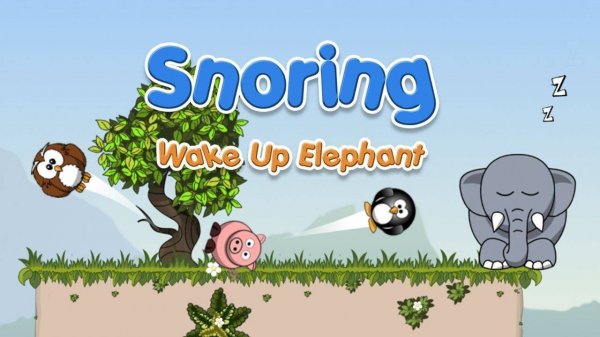
The artwork uses a soft hand-drawn look with warm colors and friendly character designs. Scenes are intentionally uncluttered, which helps players focus on matching shapes and colors instead of scanning visual noise. That restraint also makes the images easy to parse for younger players and anyone who prefers a calm visual field.
Who It Suits
The interface uses large buttons and clear visual cues, and no reading is required to begin. That makes the game accessible to pre-readers and non-native speakers. It works on both tablets and phones with touch controls that respond accurately. While the game is relaxing, sorting pieces by color or shape, finding edges, and recognizing patterns support memory and problem-solving in a low-stress setting.
Editorial Notes
Compatibility
• OS: Windows 10+, macOS 11+, iOS 14+, Android 10+
• Browsers: Chrome 100+, Safari 15+, Edge 100+, Firefox 100+
• Not compatible with Internet Explorer
Tested on real devices ✅ works as expected
Faq
Does Gentle Animal Puzzle Time have a time limit or score?
No. The game has no time pressure or scoring system. You can work on a puzzle for as long as you like, and pieces only snap when correctly placed. This design supports quick sessions and longer, unhurried play alike.
What devices can I play Gentle Animal Puzzle Time on?
The game is designed for tablets and phones with touch controls. The interface uses large buttons and clear visual cues, so it works well on smaller screens. No keyboard or mouse is required, and the controls respond accurately to touch input.
Is Gentle Animal Puzzle Time suitable for young children?
Yes. No reading is required to start playing, and the simple drag-and-drop mechanic is easy for pre-readers to pick up. The hand-drawn animal scenes and gentle feedback make it approachable for kids, while the lack of timers keeps frustration low.
Can I replay puzzles I have already finished?
Completed puzzles can be replayed at any time. This is useful for returning to favorite scenes or for practicing piece-matching without the pressure of unlocking new content. The game does not lock finished puzzles behind additional requirements.
Do the puzzles get harder as I progress?
Yes, but gently. The order of puzzles is structured to gradually increase in complexity. The difficulty curve remains mild, so players who want a relaxed experience can continue without hitting a steep challenge. The focus stays on calm assembly rather than escalating difficulty.
Does Gentle Animal Puzzle Time require an internet connection?
The provided information does not specify whether an internet connection is required. The game is described as working on tablets and phones with touch controls, but no online or offline mode is mentioned. Check the app store listing for current connectivity details.








Comments
0 comments