
Reviews
Letter Discovery Educational Game keeps its scope narrow: tracing, sound matching, and simple spelling for preschoolers. The multilingual alphabets and offline mode add practical value for families and classrooms. The lack of time limits and scoring suits young children who need repetition. Parents should note that the game is not a full reading curriculum; it builds letter familiarity and fine motor skills. Adult involvement improves the experience, especially for toddlers still developing finger control.
About this game
Letter Tracing and Sound Association
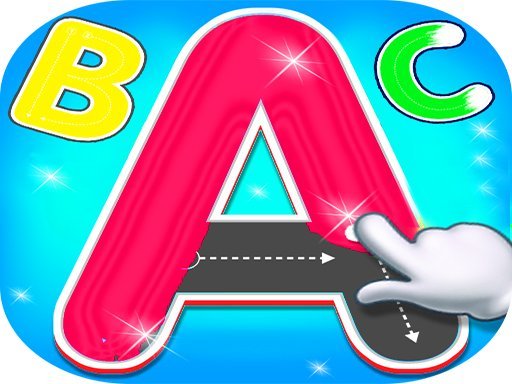
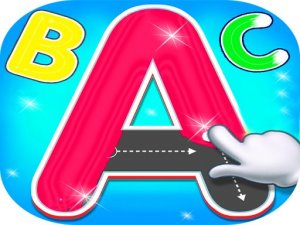
Letter Discovery centers on a straightforward loop: a child selects a language alphabet, sees a letter displayed with a tracing guide, and follows that guide with a finger or stylus. The guide shows correct stroke order, so the physical act of tracing reinforces how each letter is built. After tracing, the game plays the letter's sound and presents a word beginning with that letter. This sequence links motor memory, visual shape, and auditory recognition in one short activity. Because there is no timer, a child can repeat the same letter as many times as needed without penalty.
Multilingual Alphabet Options
The game supports English, Russian, Spanish, and Portuguese alphabets. Switching between languages lets a child see how different writing systems handle letter forms and sounds, which can be useful in bilingual households or classrooms with mixed language backgrounds. Each alphabet follows the same tracing and phonics structure, so the interface stays consistent even when the language changes. This consistency reduces confusion for young learners who might otherwise be distracted by a new layout.
Additional Practice Activities
Beyond tracing, Letter Discovery includes matching exercises where children connect letters to their sounds, as well as simple spelling tasks. These activities extend the same recognition skills into slightly different formats, helping children apply what they practiced during tracing. The controls rely on tap and drag actions sized for small fingers. Progress is acknowledged with cheerful animations or sounds, giving immediate feedback without overstimulating the child.
Offline Access and Shared Learning
The game works without an internet connection, so it remains available during travel, waiting times, or in areas with limited connectivity. Parents or teachers can sit alongside the child, guide their finger during tracing, and offer praise. This turns screen time into a shared routine rather than solo play. The absence of time limits and the option to repeat activities support a relaxed pace that lets children build confidence before moving on.
Editorial Notes
Compatibility
• OS: Windows 10+, macOS 11+, iOS 14+, Android 10+
• Browsers: Chrome 100+, Safari 15+, Edge 100+, Firefox 100+
• Not compatible with Internet Explorer
Tested on real devices ✅ works as expected
Faq
What age group is Letter Discovery Educational Game designed for?
The game targets preschoolers and toddlers who are beginning to recognize letter shapes and sounds. Its simple tap-and-drag controls and lack of time pressure suit children who are not yet reading independently. Parents or teachers can support younger users during tracing.
Which languages does Letter Discovery Educational Game support?
The game includes alphabets for English, Russian, Spanish, and Portuguese. Each language follows the same tracing and phonics format, so children can switch between them without learning a new interface. This makes it usable in bilingual homes or classrooms with mixed language needs.
Does Letter Discovery Educational Game require an internet connection?
No. The game is designed to work offline, so children can practice letters without Wi-Fi or mobile data. This is convenient for car rides, flights, or locations with unreliable connectivity. All tracing and phonics activities remain available in offline mode.
What skills does Letter Discovery Educational Game help develop?
The game focuses on letter recognition, sound association, and proper stroke order through tracing. Matching letters to sounds and simple spelling tasks reinforce memory and fine motor skills. These activities build a foundation for early reading and writing.
Can parents or teachers join in while a child plays Letter Discovery Educational Game?
Yes. The game is structured so an adult can guide a child's finger during tracing and offer praise. This turns the activity into a shared learning moment. Adult participation is optional but can help children stay focused and encouraged.
Is there a time limit or scoring system in Letter Discovery Educational Game?
No. The game has no time limits, so children can repeat letters and activities as often as they like. Progress is rewarded with cheerful animations or sounds rather than scores. This design reduces pressure and lets children learn at their own pace.



Comments
0 comments