
Reviews
Frontline Guardian: Tactical Hold offers a focused tower defense experience where resource management and threat assessment matter more than static placement. The changing enemy compositions and trade-off-driven upgrades encourage replayability and strategic thinking. It suits players who enjoy planning several waves ahead and adjusting tactics on the fly. The absence of multiplayer or a detailed story keeps the scope tight, which may limit appeal for those seeking broader features.
About this game
Defending the Line
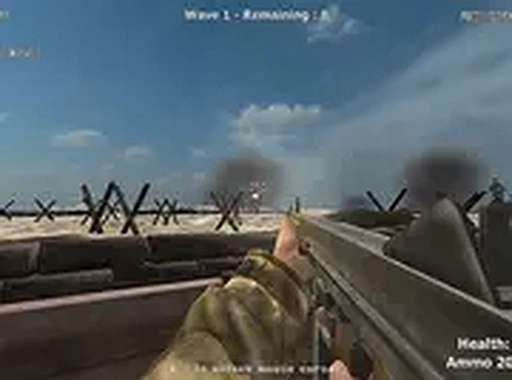
In Frontline Guardian: Tactical Hold, you are responsible for a critical defensive position. Your task is to delay enemy groups while your allies retreat to safety. The core loop involves assessing each incoming threat and deciding where to direct your attention. Unlike static tower defense games, enemies approach from multiple angles, so you must constantly shift focus. The battlefield layout is simple, but the mix of enemy types keeps each round from feeling repetitive. Success depends on reading the flow of combat and adjusting your strategy on the fly.
Managing Your Resources
Every enemy you defeat adds to your funds, which you spend in the shop between waves. The shop offers upgrades and new equipment, but you must prioritize. Spending too much early can leave you underpowered for later waves, while saving too much might get you overwhelmed. This balancing act is central to the strategic challenge, rewarding players who plan several waves ahead. The currency system forces you to think about long-term survival, not just immediate threats.
Enemy Waves and Variety
Enemies arrive in escalating patterns. Early waves feature slow, straightforward opponents that let you test your setup. Later, you face faster units, coordinated clusters, and tougher individuals that demand sustained attention. The pacing gives you room to learn before ramping up pressure. Because the mix of enemy types changes each run, no two sessions play out the same. This variety encourages you to experiment with different upgrade paths instead of relying on one winning formula.
Upgrades and Trade-offs
The upgrade system offers multiple ways to strengthen your defenses. You can boost the power of your primary tool, increase its rate of use, or unlock temporary abilities. Each branch has trade-offs: raw damage might leave you vulnerable to fast targets, while speed could struggle against armored foes. The shop does not force a single optimal build, so you can tailor your loadout to your play style. Experimentation is encouraged, and you can reset your choices between runs.
Visual Feedback and Replay Value
Clear visual cues communicate important information: enemy health bars, resource counters, and upgrade icons are easy to read at a glance. The muted color palette helps critical elements stand out. Animations are smooth and responsive, providing immediate feedback when you land a hit or an enemy breaks through. This clarity helps you make split-second decisions as the pace quickens. Because each run presents a different sequence of enemies, the game encourages repeated attempts. You will refine your strategy after every defeat, learning which upgrades work best against specific combinations. The game tests your ability to adapt, not random chance, and this gradual mastery gives it lasting appeal.
Editorial Notes
Compatibility
✅ Works on PC & Mobile | Recommended: Chrome / Safari / Edge
Faq
What type of game is Frontline Guardian: Tactical Hold?
It is a tower defense game with arcade and strategy elements. You defend a key point by slowing enemy groups and managing resources to upgrade your defenses between waves.
How does the resource system work in Frontline Guardian: Tactical Hold?
You earn currency by defeating enemies. Between waves, you spend it in the shop on upgrades and equipment. Prioritizing your purchases is crucial because spending too much early can leave you vulnerable later.
Are enemy waves the same every time in Frontline Guardian: Tactical Hold?
No, the mix of enemy types changes each run. You will face different combinations of slow, fast, clustered, and tough enemies, so you cannot rely on a single strategy.
Can I change my upgrades during a run in Frontline Guardian: Tactical Hold?
You can reset your upgrade choices between runs. The game encourages experimentation, so you are free to try different loadouts without being locked into one path.
Is there a multiplayer mode in Frontline Guardian: Tactical Hold?
The provided information does not mention multiplayer. It appears to be a single-player experience focused on solo defense and resource management.
What makes Frontline Guardian: Tactical Hold different from other tower defense games?
Unlike static tower defense games, you must constantly reposition your attention as enemies approach from multiple angles. The game emphasizes active threat assessment and resource balancing over fixed placements.








Comments
0 comments