
Reviews
Shadow Sprint: Velocity Runner stands out by combining fluid parkour movement with interactive targets that must be hit while maintaining momentum. The course design functions as motion puzzles, gradually introducing tighter timing and complex target sequences. A global leaderboard and replay system provide long-term motivation. It suits players who enjoy speedrunning and precision platforming, though those seeking a narrative or multiplayer will find none described here.
About this game
Movement and Momentum
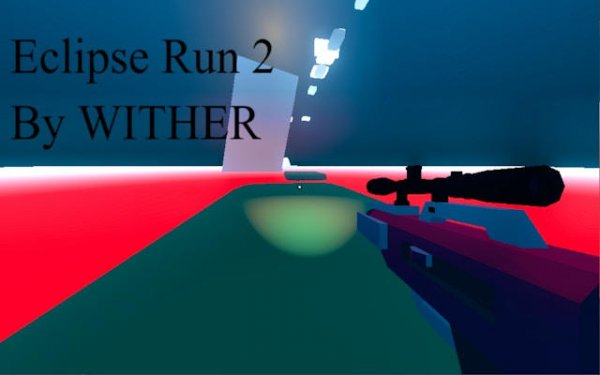
Shadow Sprint: Velocity Runner is built around fluid movement across elevated platforms. You coordinate jumps, slides, and quick directional changes to keep your character moving forward without slowing down. Controls respond immediately, so actions chain together naturally. Each course demands that you read the layout ahead and adjust your approach on the fly, creating a rhythm where you learn to anticipate upcoming sections and plan your path. [IMG_1]Targets and Coordination
Scattered throughout each course are interactive targets that must be hit to clear the way forward. They appear at various heights and angles, forcing you to aim while maintaining forward momentum. Some targets are stationary; others move or appear briefly. Missing a target may force you to backtrack or lose precious seconds, so accuracy is as important as speed. Managing both movement and aiming adds a layer of coordination that sets this game apart from simpler runners. [IMG_2]Course Design and Progression
Each course is built like a motion puzzle. Platforms, gaps, and targets are arranged to test specific combinations of skills. Early courses focus on basic jumps and slides, while later ones introduce tighter timing windows and more complex target sequences. The game encourages repeated attempts, as learning the optimal route through each course is key to improving your time. There is no penalty for restarting, so you can experiment with different paths.Competition and Personal Bests
An integrated leaderboard system lets you compare your fastest times with other players. You can set a username to track your own progress across all courses. The leaderboard shows global rankings, giving you a clear goal to aim for. Watching replays of top performers can reveal efficient strategies you might not have considered. This competitive element adds long-term motivation beyond simply completing each course.Editorial Notes
Compatibility
💻 Desktop | 📱 Mobile | 📟 Tablet
– All supported · Best with Chrome or Safari
Faq
Does Shadow Sprint: Velocity Runner have a story mode?
No story mode is described. The game focuses on timed courses where you chain movement and hit targets to reach the end quickly. Progression comes from improving your times and mastering each layout rather than following a narrative.
Can I play Shadow Sprint: Velocity Runner with a controller?
The input does not specify supported input devices. The controls are described as designed for immediate response, which suggests keyboard or gamepad would both work, but check the store page for official controller support.
How does the leaderboard work in Shadow Sprint: Velocity Runner?
You set a username to track your progress across all courses. The leaderboard shows global rankings, so you can compare your fastest times with other players. Replays of top performers are available to study efficient routes.
Is there a penalty for restarting a course in Shadow Sprint: Velocity Runner?
No penalty is mentioned. The game encourages repeated attempts, so you can restart freely to experiment with different paths and improve your time without losing progress.
What makes Shadow Sprint: Velocity Runner different from other runner games?
The addition of interactive targets that must be hit while maintaining forward momentum. This forces you to aim and move simultaneously, adding a coordination layer that simpler runners do not have.
Are there different difficulty levels in Shadow Sprint: Velocity Runner?
The input does not mention selectable difficulty settings. Instead, difficulty scales through course design: early courses focus on basic jumps and slides, while later ones introduce tighter timing windows and more complex target sequences.







Comments
0 comments