
Reviews
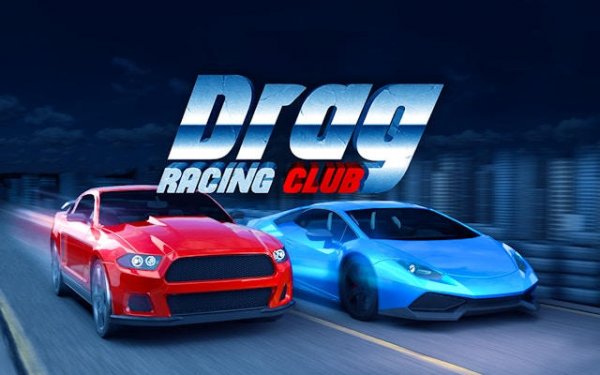
Speed Shift Racing: Street Competition rewards preparation and precision over constant acceleration. The tuning system—engine, tires, gears—gives each race a strategic layer before the countdown even starts. Career mode builds difficulty gradually, making it accessible for newcomers while still challenging veterans. The main limitation is the narrow scope: it is strictly short-distance drag racing, not a full circuit racer. Players who enjoy tinkering with setups and perfecting launch timing will find the most value here.
About this game
Launch and Shift Timing
Each race in Speed Shift Racing is a short-distance acceleration contest. The outcome hinges on two moments: the start and every gear change. A countdown leads to a green light, and throttle application must be precise—too early or too late costs valuable fractions of a second. Once moving, shifting at optimal engine speeds keeps momentum. A temporary speed boost can be triggered to close gaps or pull ahead, but it is a limited resource best saved for critical moments.
Setup Before the Run
Before each race, players adjust engine parameters, tire pressure, and transmission ratios to match track conditions. These choices are not cosmetic. A gear ratio that suits one track may leave the car struggling on another. Tire pressure affects grip off the line, while engine settings influence how quickly the car reaches its power band. Testing different configurations helps identify a setup that matches your driving style.
Building the Garage
Players start with a single car and expand their garage by purchasing new models. Each vehicle has distinct handling characteristics and upgrade potential. Successful runs fund improvements to engine components, drivetrain parts, and chassis elements. Weight reduction and aerodynamic adjustments also affect performance. The upgrade path allows personalization—some racers focus on acceleration, others on top speed, and some prefer a balanced build.
Career Progression and Strategy
Career mode presents increasingly difficult opponents. Early matches teach timing and tuning basics. Later competitions demand strategic investment in upgrades and knowledge of each car's strengths. Winning against tougher rivals unlocks exclusive events and higher-tier vehicles. Success depends on more than reflexes: analyzing opponent patterns, choosing the right gear ratio, and saving the boost for the final stretch can turn close races in your favor.
Editorial Notes
Compatibility
▸ Desktop: Chrome / Edge / Firefox / Safari
▸ Mobile: iOS Safari / Android Chrome
▸ Tablet: iPadOS Safari / Android Tablet Browser
Keep your browser updated for the best experience
Faq
Is Speed Shift Racing: Street Competition a simulation or arcade racer?
It leans toward arcade-style drag racing with tuning depth. Races are short and focused on acceleration, but vehicle setup—engine, tires, gears—plays a major role. It is not a full circuit racing sim; the emphasis is on launch, shifting, and boost timing rather than long laps.
Can I play Speed Shift Racing: Street Competition with a keyboard or controller?
The input method is not specified in the available information. The core actions—throttle control, gear shifting, and boost activation—suggest a simple control scheme that could work on keyboard or controller. Check the game's store page for official control support details.
How many cars are in Speed Shift Racing: Street Competition?
The exact number is not provided. Players begin with one car and can purchase additional models using earnings from races. Each car has unique handling and upgrade potential, so the garage grows as you progress through career mode and unlock higher-tier vehicles.
Does Speed Shift Racing: Street Competition have multiplayer?
Multiplayer is not mentioned in the available information. The described career mode focuses on racing against a series of computer-controlled opponents with increasing difficulty. For accurate multiplayer details, refer to the official game listing or developer announcements.
What is the speed boost and when should I use it?
The speed boost is a temporary acceleration increase that can be activated during a race. It is best saved for critical moments—such as the final stretch or when an opponent pulls ahead—to maximize its effect. Using it too early may waste its potential to close a gap or secure a win.
Is Speed Shift Racing: Street Competition free to play?
Pricing and monetization details are not included in the available information. The game features a career mode with vehicle purchases and upgrades funded by race earnings, which suggests an in-game economy. Check the official store page for current pricing and any in-app purchase options.






Comments
0 comments